
Category: WW2 Podcast
-
D-Day and the Great Deception
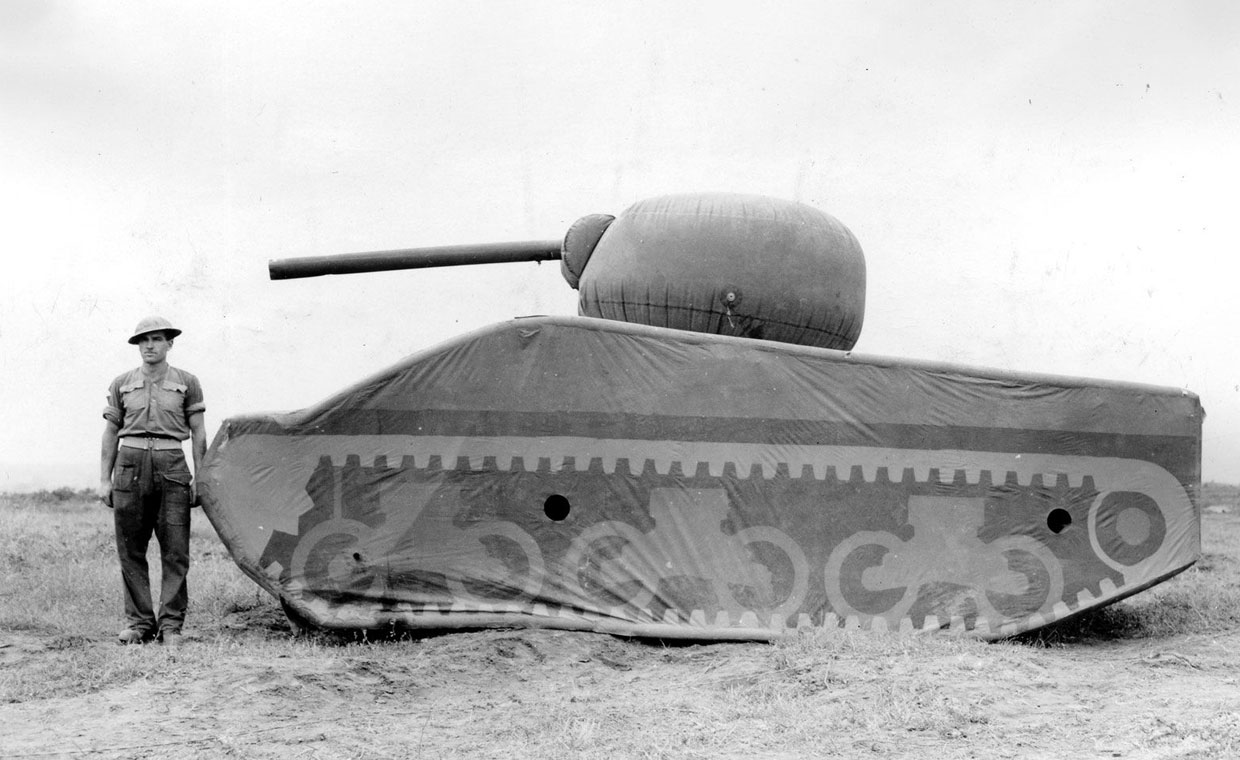
As the Allied forces prepared for the monumental invasion of Normandy, concealing the massive build-up of troops in Britain from the Germans became increasingly challenging. To mislead German intelligence about the timing and location of the invasion, the Allies devised a series of elaborate deception plans. The most audacious of these schemes aimed to convince…
-
Hill 107 and the Battle of Crete
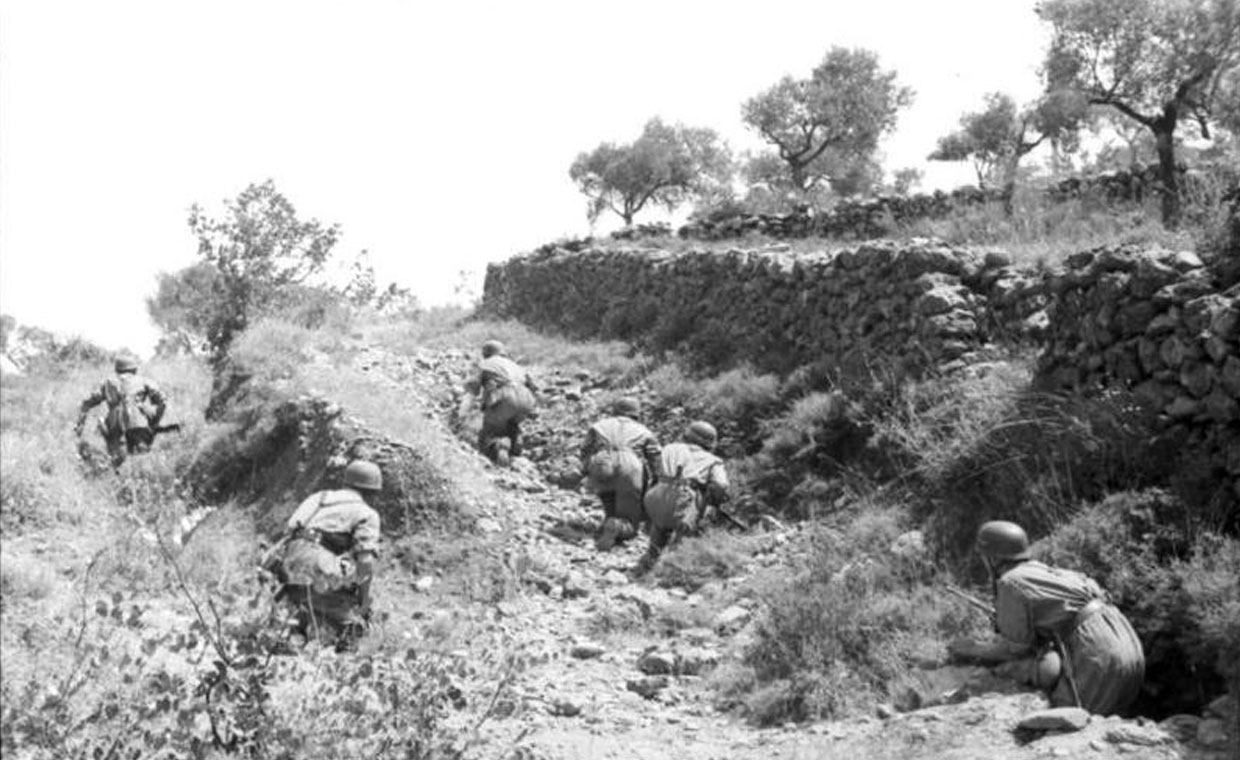
On the morning of May 20, 1941, the Germans launched Operation Mercury. The invasion of Crete was the largest airborne operation yet attempted during the war, with thousands of Fallschirmjäger deployed. Key to the operation’s success would be the capture of the airfield at Maleme. Outnumbered and having suffered horrendous casualties, when the airborne troops…
-
The Theory and Practice of Command in the British and German Armies
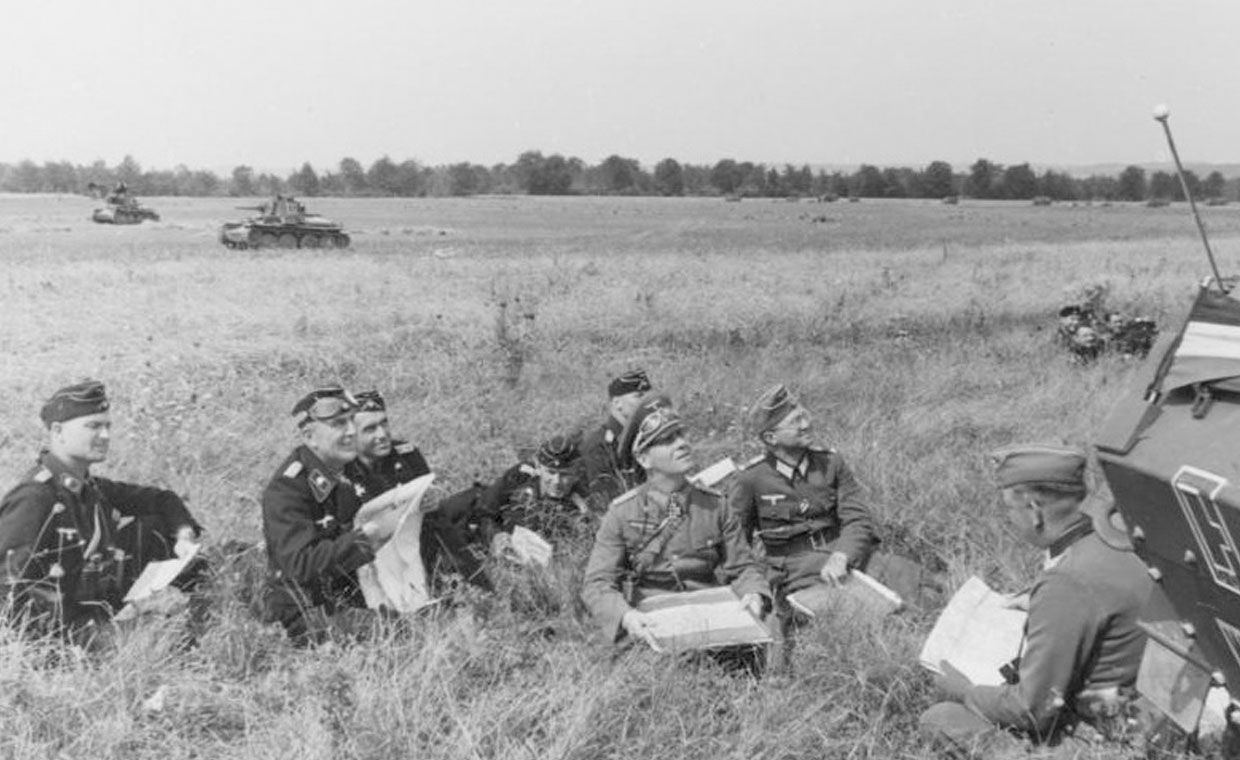
In this podcast episode, we will discuss the different approaches to command and control of the British Army and the German Army. From a management point of view, both organisations developed different doctrines to deal with the ‘fog of war’ or ‘friction’, which affected how commanders responded as a battle unfolded. We’ll do this by…
-
Landing Craft Infantry
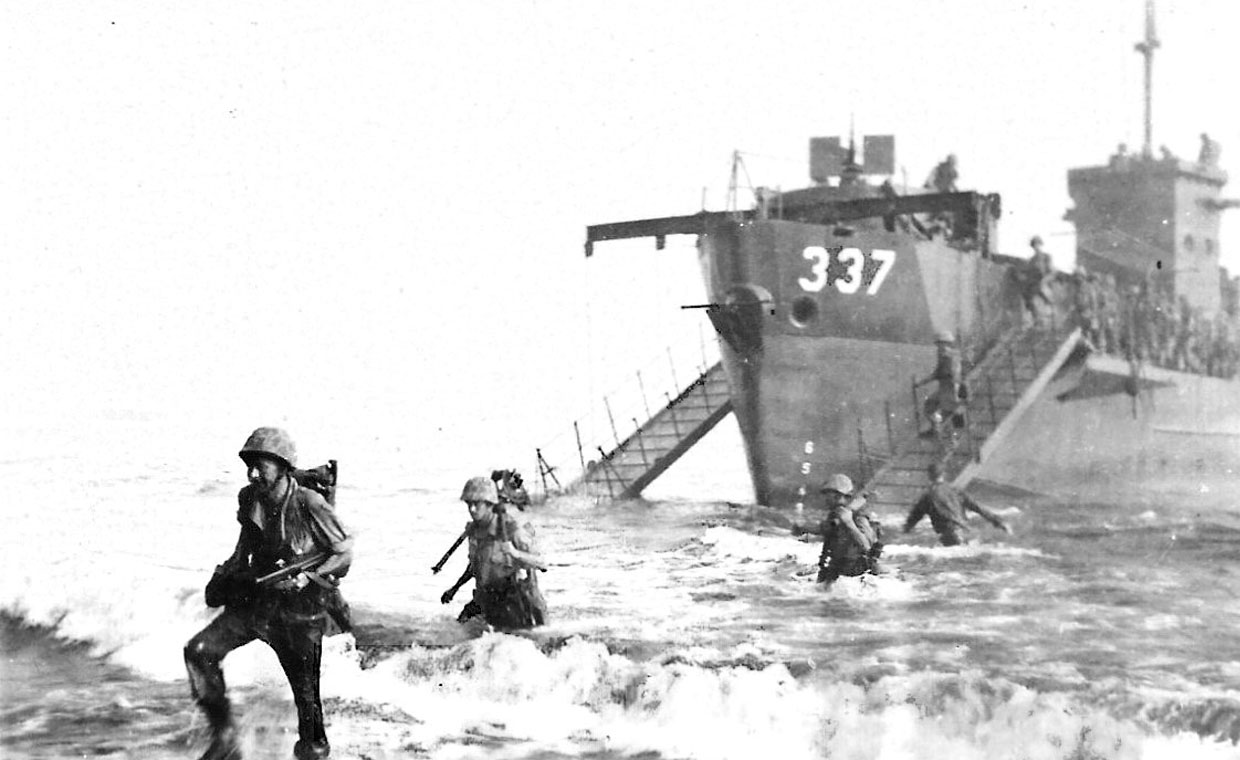
In this podcast episode, I’m looking at the work of LCI’s, Landing Craft Infantry. These are not the smaller Higgins Boats we see storming the Normandy beaches in Saving Private Ryan but large beaching craft intended to transport and deliver fighting troops, typically a company of infantry or marines, to a hostile shore once a…
-

The D-Day Scientists Who Changed Special Operations
Operation Jubilee, the Dieppe Raid on the coast of France, was a disaster in 1942. However, it did highlight the need for more reconnaissance before any other amphibious operations were mounted. In London, a small group of eccentric researchers, experimenting on themselves from inside pressure tanks in the middle of the London air raids, explored…
-
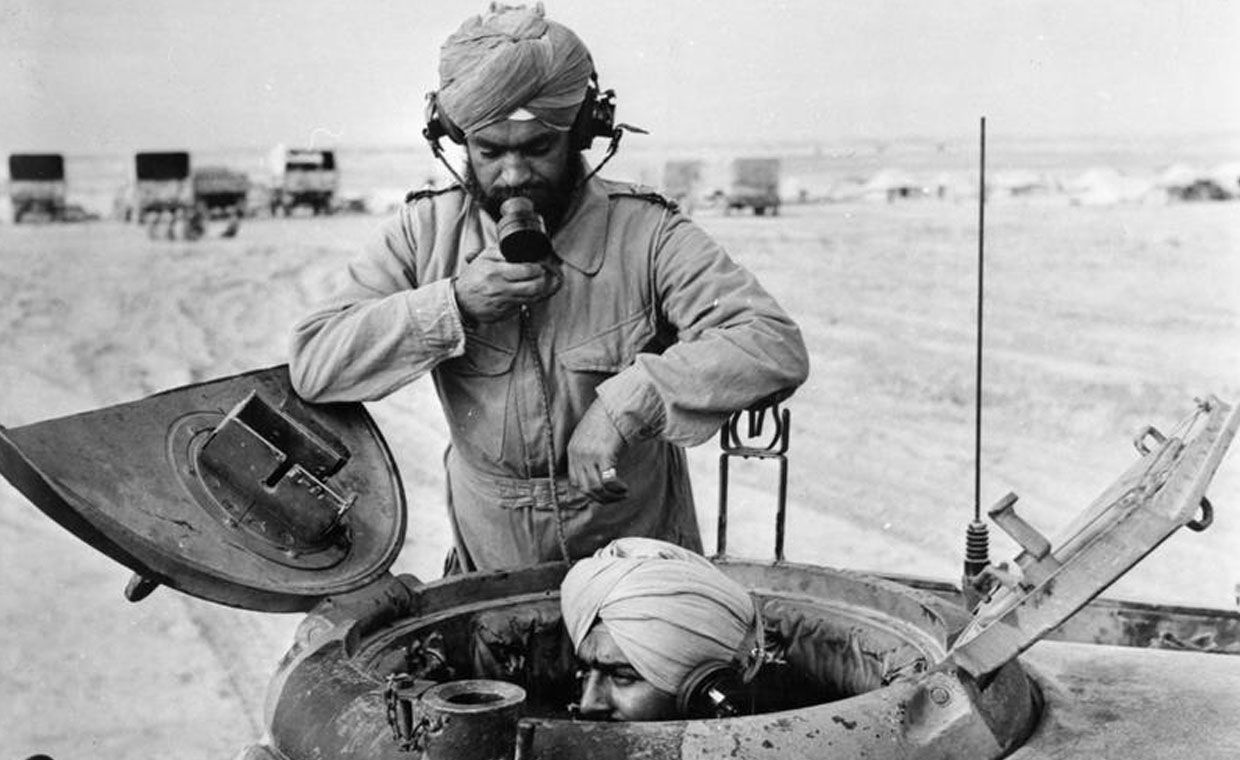
221 – Training the Indian Army
The Indian Army was the largest volunteer army during the Second World War. Indian Army divisions fought in the Middle East, North Africa and Italy – and went to make up the overwhelming majority of the troops in South East Asia. Over two million personnel served in the Indian Army. I’m Angus Wallace, and in…
-
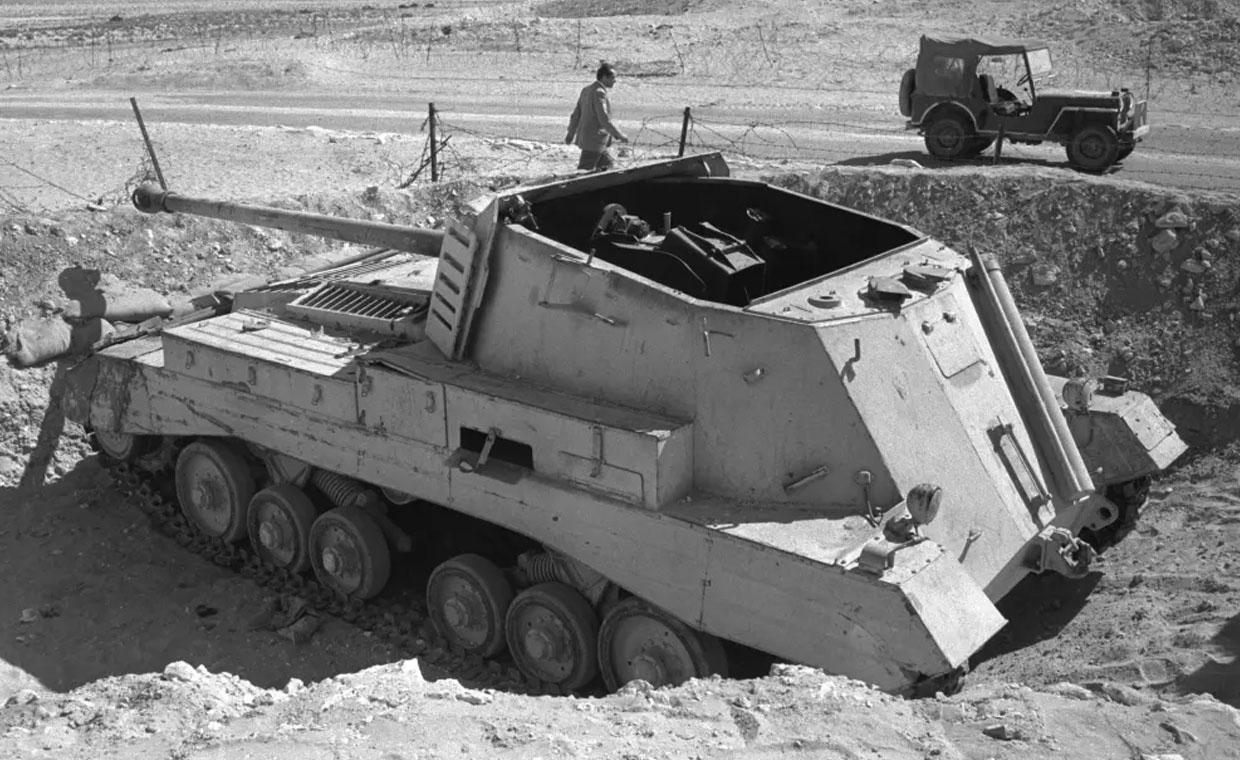
220 – The Archer: Reversing to Victory
From late 1944, an ungainly piece of equipment was introduced into service in the British and Canadian armies. Referred to at the time as the ‘Valentine 17-pounder SP’, and later as the ‘Archer’, it was a tracked vehicle with an open compartment at the front and a large gun facing to the rear. Joining me…
-
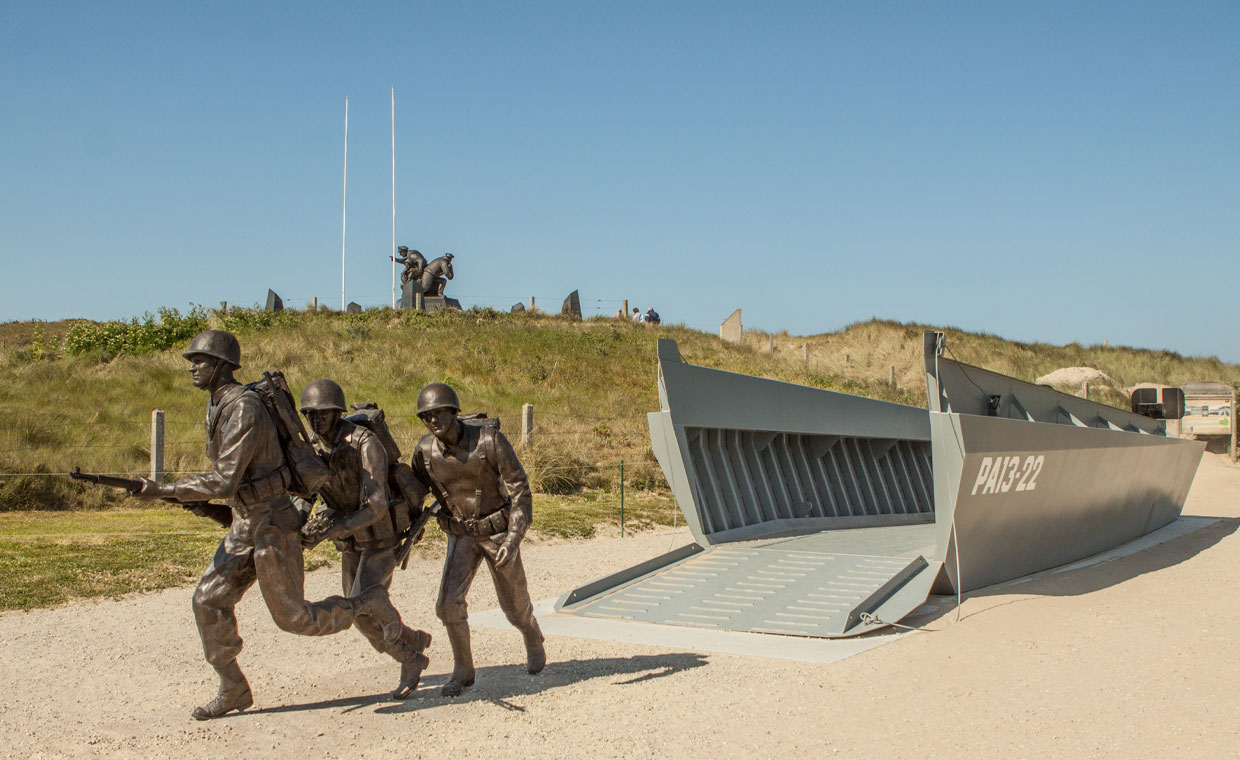
D-Day Tourism
While at We Have Ways Fest, Angus caught Paul Woodadge, the host of WW2TV, giving an excellent talk on D-Day tourism. He thought it would be interesting to ask Paul on the show to discuss tourism, how it has changed and what to see. Base in France, Paul has been a battlefield tour guide for over 20 years.…
-
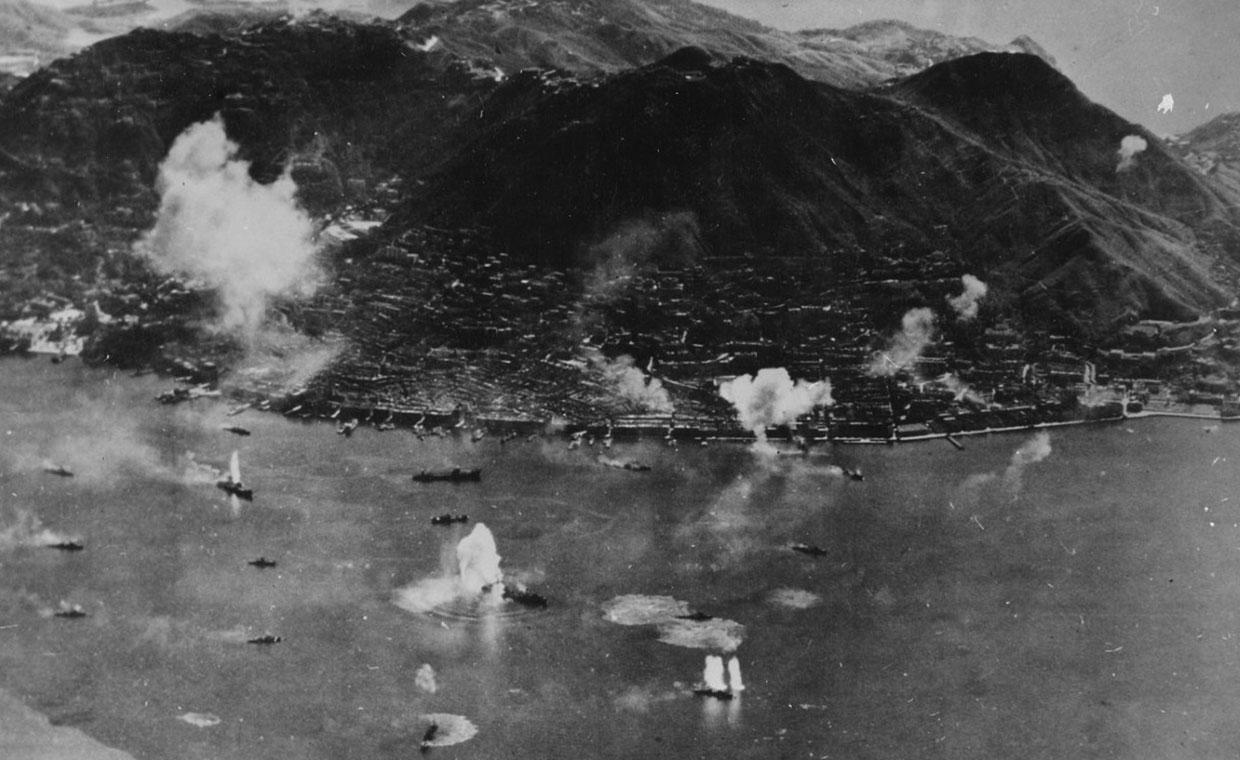
Target Hong Kong
In January 1945, Admiral Halsey, with the third Fleet, conducted a raid into the South China Sea. This was designated Operation Gratitude. The raid was to support the landings on Luzon, in the Philippines, with the aim of destroying the Japanese navy, supply convoys and any air assets in the area. As part of this operation, Hong…
-
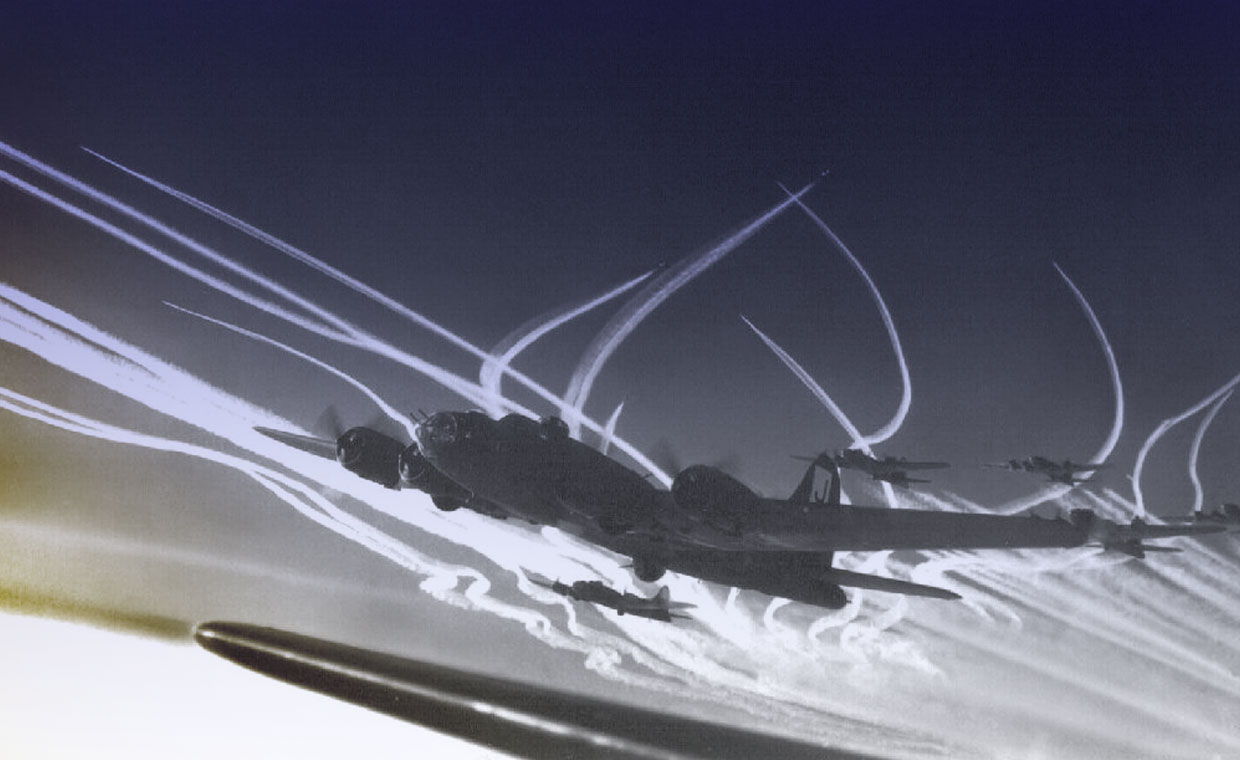
How the Luftwaffe Lost the skies over Germany
Starting with small raids at the start of the war, the aerial offensive grew into a massive operation. Huge air armadas would eventually pulverise Germany, with the Mighty Eigth Airforce flying by day and the Lancasters of Bomber Command by night. This 24-hour campaign seriously damaged Germany’s ability to make war and killed hundreds of…