
Category: WW2 Podcast
-
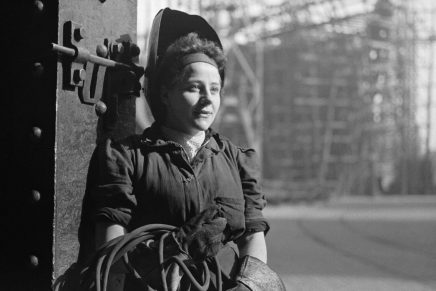
British Wartime Industry
The expansion of British industry to cater for war production began to be put in place in the 1930s. But still with the outbreak of war Britain needed to stretch every sinew to harness, coordinate and maximise its resources. Firstly to defend itself and then to help liberate Axis-occupied countries. In this episode, Angus is…
-
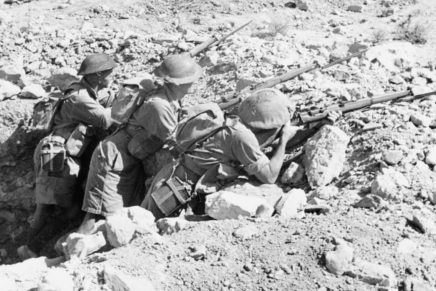
Tobruk
Tobruk was one of the greatest Allied victories – and one of the worst Allied defeats – of the Second World War. Angus is joined by David Mitchellhill Green David is the author of Tobruk: Rommel and the Battles Leading to his greatest victory. It is a fascinating read which places Tobruk in a wider…
-
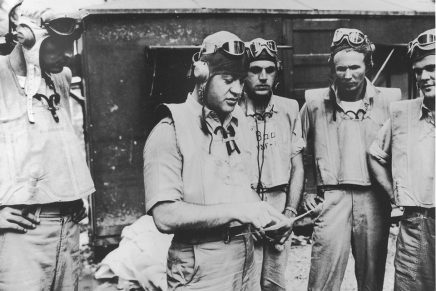
Marine Aces of the South Pacific
We are back in the Pacific, this time looking at the air war primarily over Guadalcanal. US Marine aviators landed on the island shortly after the Marine ground forces. As Japanese troops held out on Guadalcanal, the skies over the island were heavily contested. In this episode, we are focusing on the top-scoring marine pilots…
-
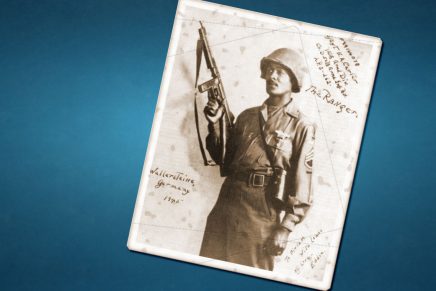
African American Medal of Honor Recipients
At the end WWII 473 men had been honoured by the United States for their bravery and sacrifice by receiving the Medal of Honor. The Medal was awarded to men of all ranks – from Lieutenant General Jonathan Wainwright at the top all the way down to 18-year-old Private Joseph Merrell. Although 1 million African…
-
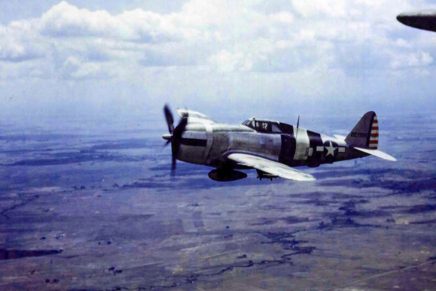
The Aztec Eagles
When we think of the allied war effort it is all too easy to overlook some of the junior partners. In this episode, we are going to be looking at Mexico’s commitment to the Second World War. The Mexican Expeditionary Airforce would serve in the Philippines as the 201st Fighter Squadron known as the ‘Aztec…
-
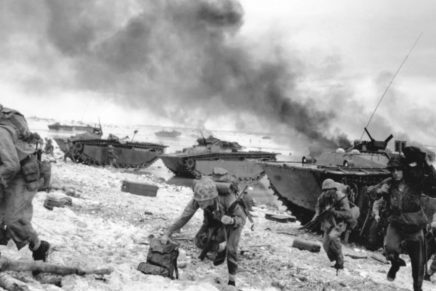
With the Old Breed: EB Sledge
In September 1944 a young Marine name Eugene Sledge landed on the Pacific Island of Peleliu. As a mortarman, stretcher-bearer and rifleman Sledge would fight his way across Peleliu then the Japanese island of Okinawa, arguably two of the fiercest and filthiest battles of the Pacific campaign. After the war, Eugene Sledge became a professor…
-
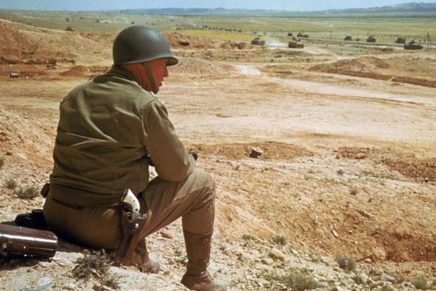
General Patton
George S Patton Junior starred as an Olympic athlete in the 1912 Stockholm games. In 1916 under John J. Pershing Patton joined the Mexican Expedition against the paramilitary forces of Mexican revolutionary Francisco “Pancho” Villa. When the US entered the First World War Patton joined the new Tank Corps and commanded the U.S. tank school…
-
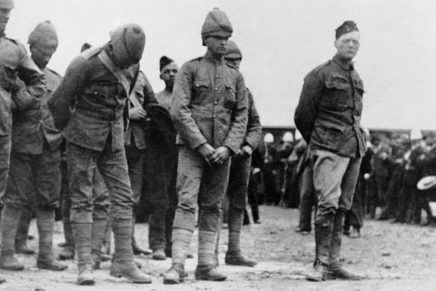
Churchill, Master and Commander
From his earliest days, Winston Churchill was a risk-taker. As a young Lieutenant in the army he charged with the cavalry at the battle of Omdurman, he saw action on the North-West Frontier and took a trip to Cuba to observe the war there. As a journalist, he covered the Boer War putting himself in…
-
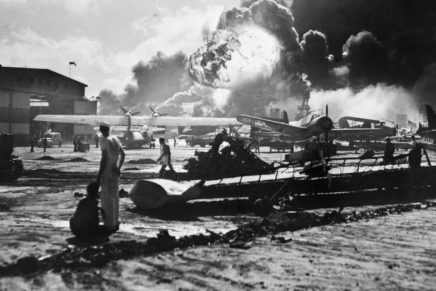
Pearl Harbor
7th December 2021 marks the 80th anniversary of the attack on Pearl Harbor that brought the United States of America into the Second World War. On the morning of 7th December 1941, just before 8am the Japanese launched their attack on the US naval base of Pearl Harbor in Honolulu, Hawaii. The Japanese planned the attack as a first…
-

Chemical Weapons
In this episode Angus is discussing chemical weapons. It might seem like an odd topic, unlike the First World War which saw the deployment of gas, chemical weapons were not used in WWII. But there was a fear of them being used; everyone carried a gas mask and the belligerent nations had huge chemical weapons…