
Category: Military
-
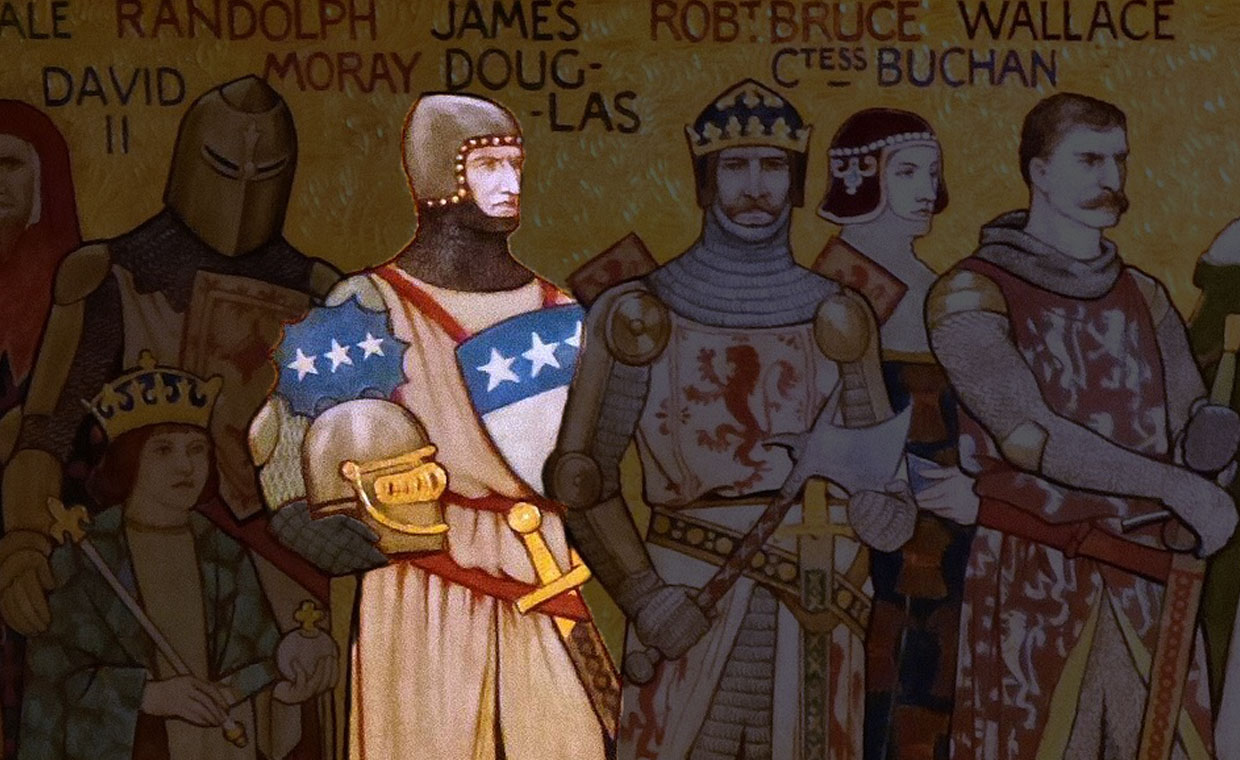
3906 – James Douglas: The Black Douglas, part 2
‘Edward II of England, stung by constant humiliations from Scottish raids, was assembling the largest army ever to invade Scotland. Over twenty thousand men, the flower of English chivalry, the finest knights in Europe, all converging on one goal – to crush Robert the Bruce and his lieutenants once and for all.’ This episode has…
-
3905 – James Douglas: The Black Douglas, part 1
‘In the nurseries of northern England, mothers would hush their crying children with a simple rhyme: “Hush ye, hush ye, little pet ye, the Black Douglas will not get ye.” But this was no fairy tale monster – this was a real man, a Scottish knight whose name became a legend of terror across the…
-
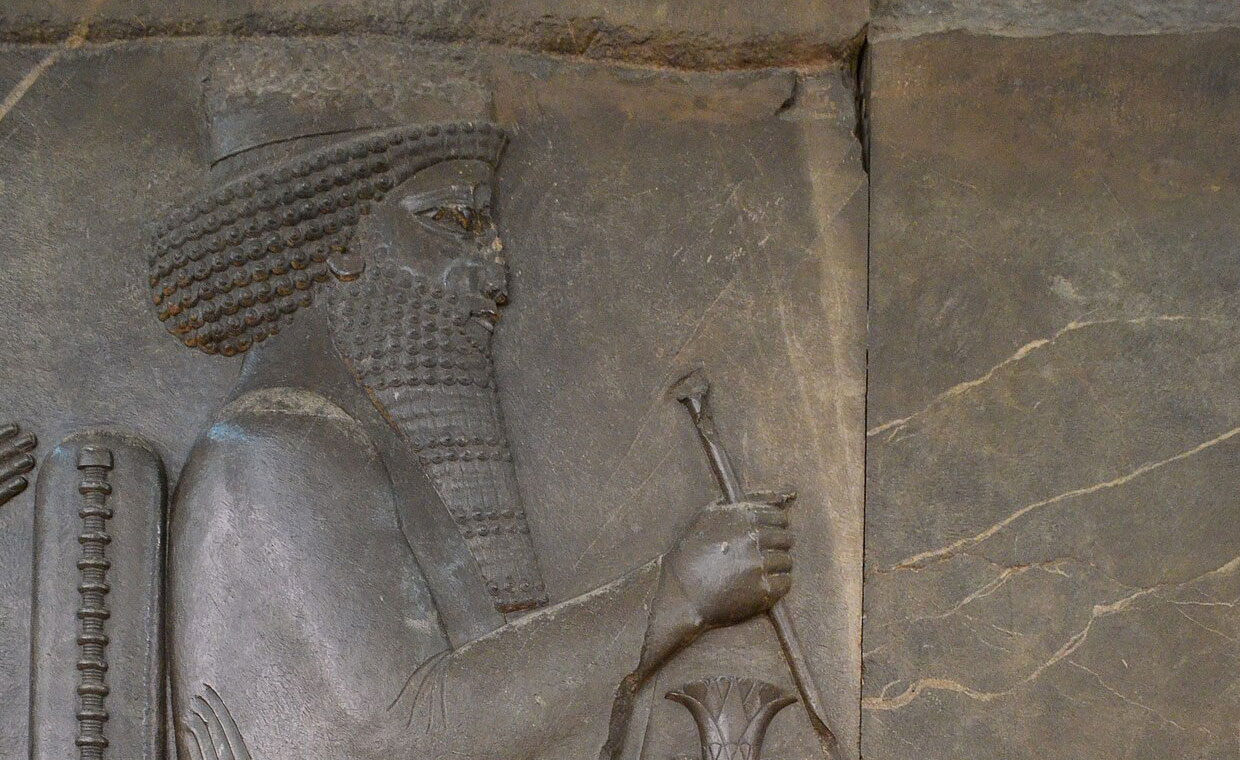
3904 – Xerxes I of Persia: King of Kings
The Persian King who invaded Greece in 480 BC is remembered for his defeat at the Battle of Salamis, but he was much more than that. Xerxes was the king of the Persian Empire from 486 until 465 BC. He is remembered in Western scholarship for his defeat by combined Greek forces during his invasion…
-
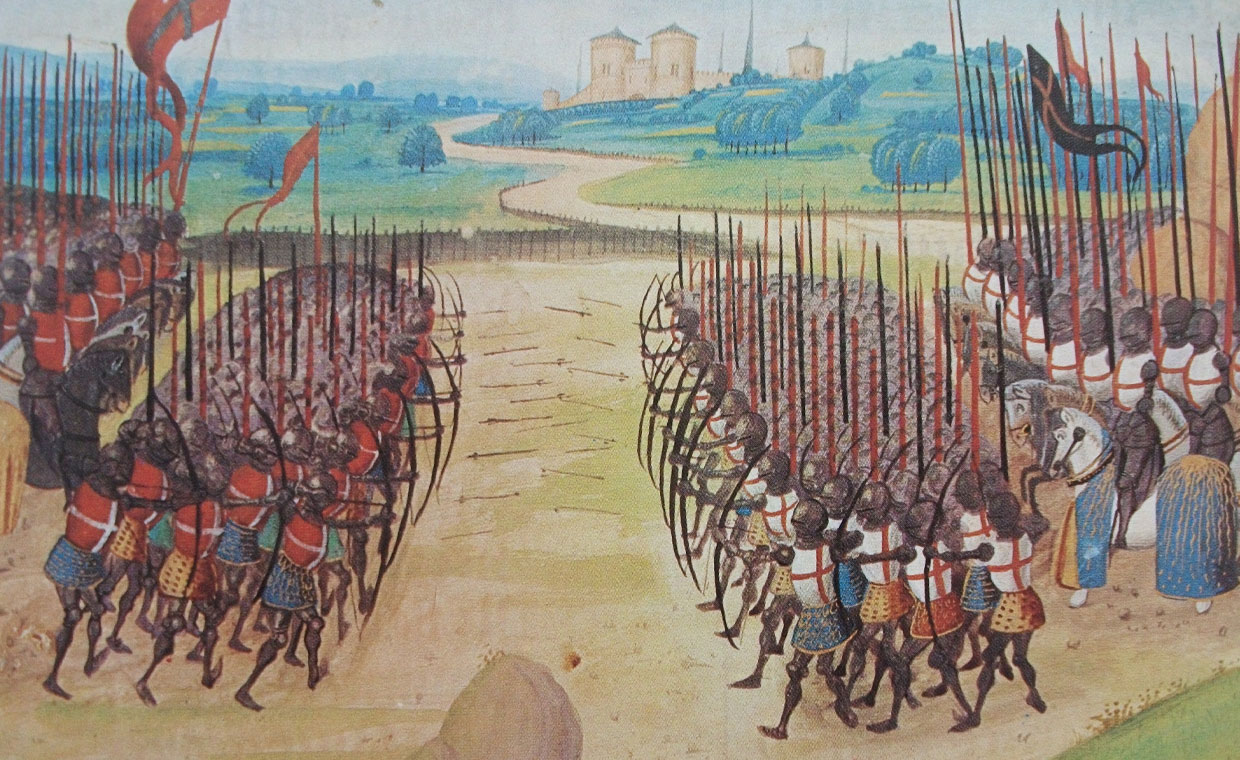
3903 – The blame game – sources for the battle of Agincourt
‘One of the first things to note about our surviving sources for the battle of Agincourt (or Azincourt), fought on October 25th, 1415, is just how many of them there are. In a way, this is unsurprising since it was (and is) one of the most celebrated (and unexpected) victories in English history. And yet,…
-

3902 – Buried Alive: Operation Tracer and the Secret of Gibraltar
“In the Second World War, the Rock of Gibraltar stood like a sentinel at the gateway to the Mediterranean. Whoever held it could open or close the sea lanes to North Africa and beyond. To Britain it was a vital stronghold, but by 1940 it looked vulnerable. Spain was under Franco’s rule, sympathetic to Berlin,…
-
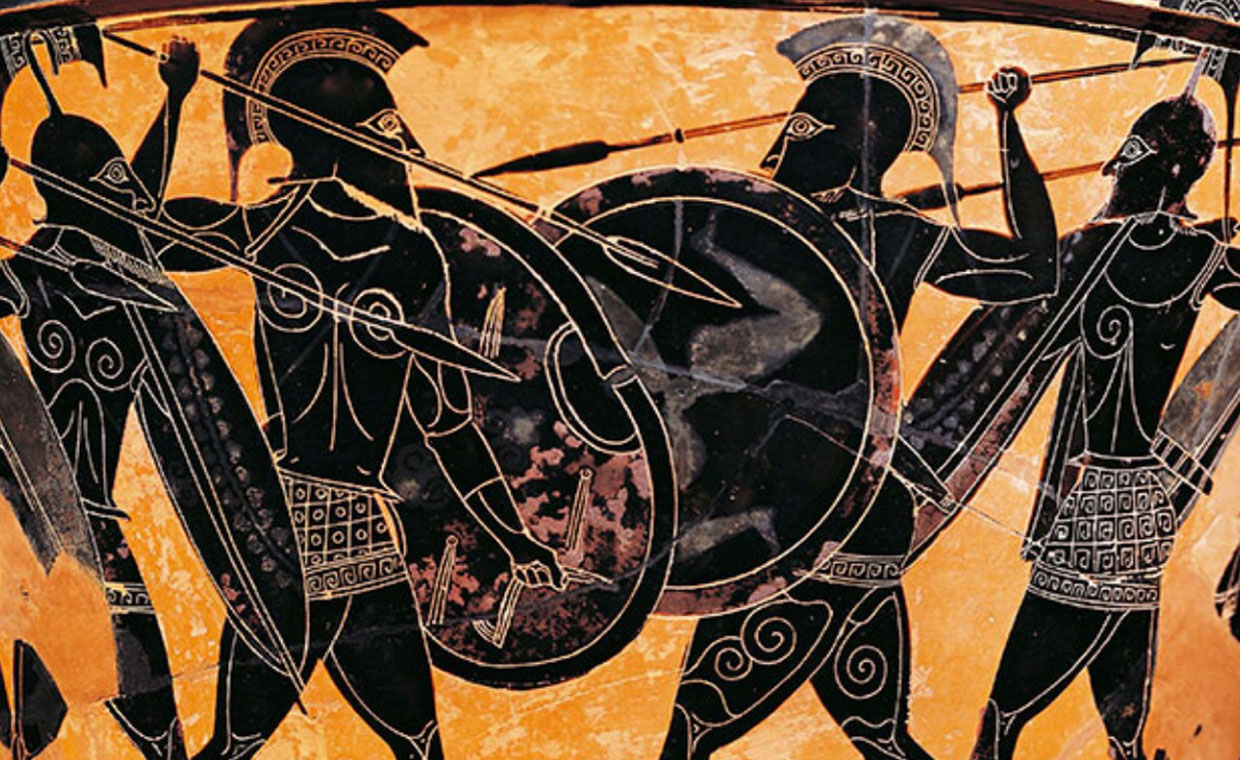
3901 – Ancient Superpowers Collide: The Peloponnesian War, 431-404 BC
‘The Peloponnesian War pitted the two most powerful Ancient Greek states, Athens and Sparta and their respective allies, against each other in an epic struggle for the control of all of Greece.’ This episode was written by Murray Dahm. Murray is an ancient and medieval military historian from New Zealand, living in Australia. He has…
-
3810 – The (second) battle of Mantinea (pt.2)
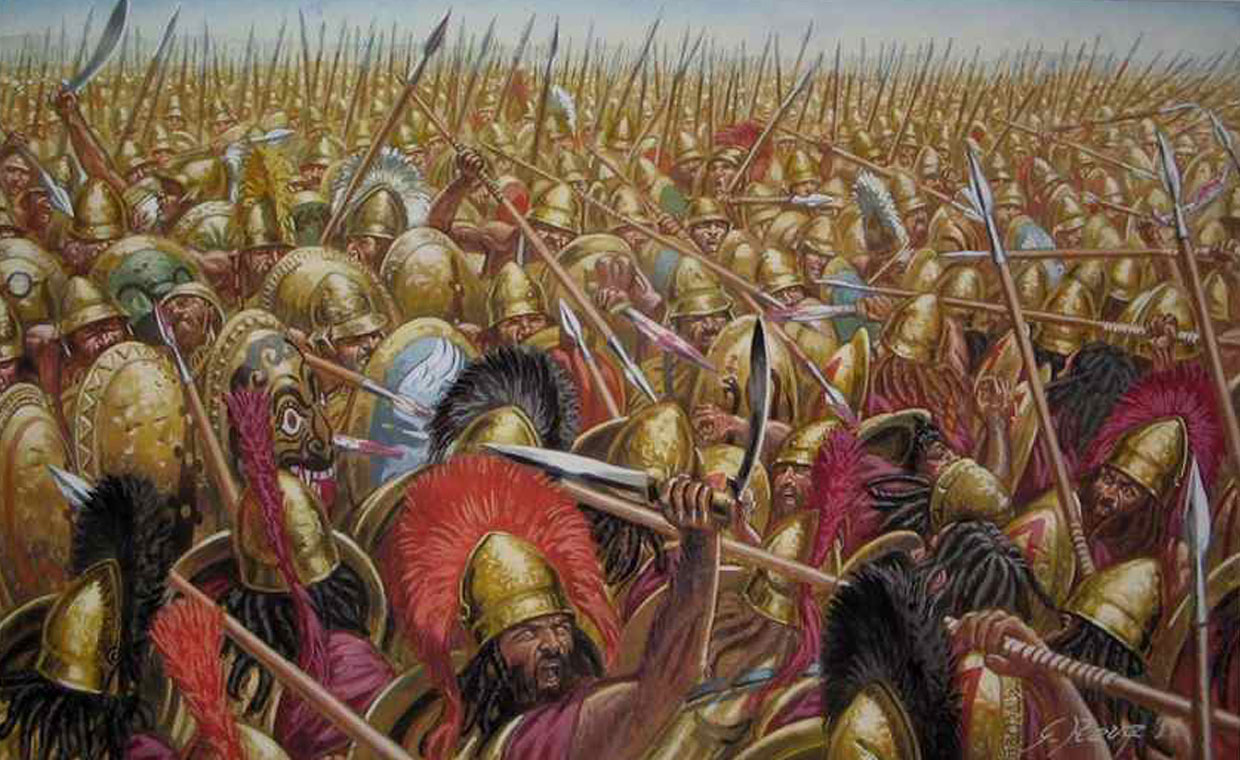
‘Xenophon gives us the remarkable detail that, in preparation for the battle, the Theban cavalry “eagerly whitened their helmets” and the Arcadians “painted clubs upon their shields, as though they were Thebans” (7.5.20), telling us that the Thebans usually had such a blazon on their shields (that is the club of Heracles). All the men…
-
3809 – The (second) battle of Mantinea
“At the battle of Leuctra in 371 BC, a resurgent Thebes led by its great statesmen and tactician reformers Epaminondas and Pelopidas defeated the army of Sparta. The defeat was one of the greatest shocks Greece had witnessed – not only did the Thebans defeat the Spartans but the Spartans turned and fled from the…
-
3808 The Battles of Hedgeley Moor and Hexham 1464 – Part 2
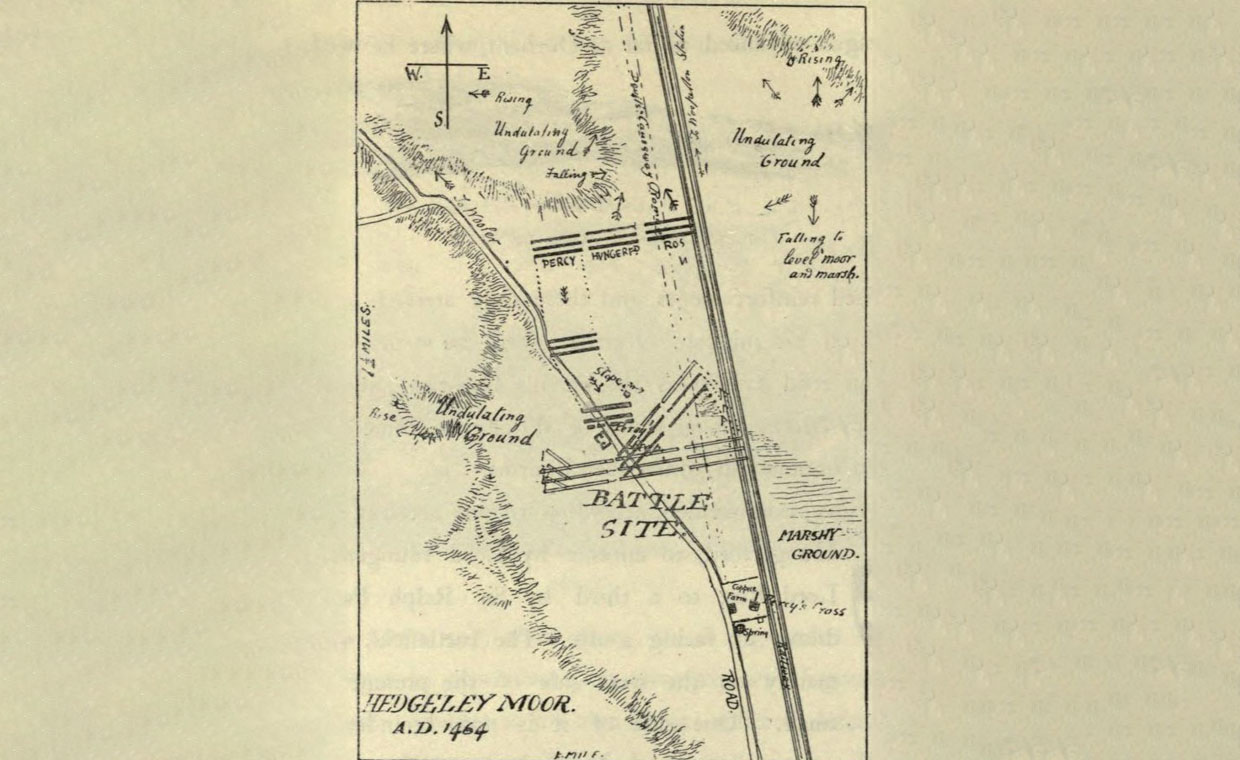
‘John Neville probably marched along the north bank of the River Tyne along Carrel Gate. This route put Bywell castle under threat, but we do not hear of Henry leaving (although he must have if this was the line of march – and other alternatives still put Bywell under threat). In his march west, Neville…
-
3807 – The battles of Hedgeley Moor and Hexham, 1464
A combination of two battles fought close together in Northumberland in April and May 1464 brought Lancastrian resistance to the Yorkist king Edward IV to an end during the Wars of the Roses until 1469. These battles are of extreme importance but are confused in the primary sources and often elided in modern accounts into…