
Category: Military
-

3806 – The Shingle Street Invasion That Never Was
“Picture the Suffolk coast on a stormy night in 1940. Waves crash against a bleak shingle bank, the wind howls through the marshes, and blackout shades cover every window in the tiny hamlet of Shingle Street. It was a place where the war felt uncomfortably close. Just across the North Sea lay occupied Europe. German…
-
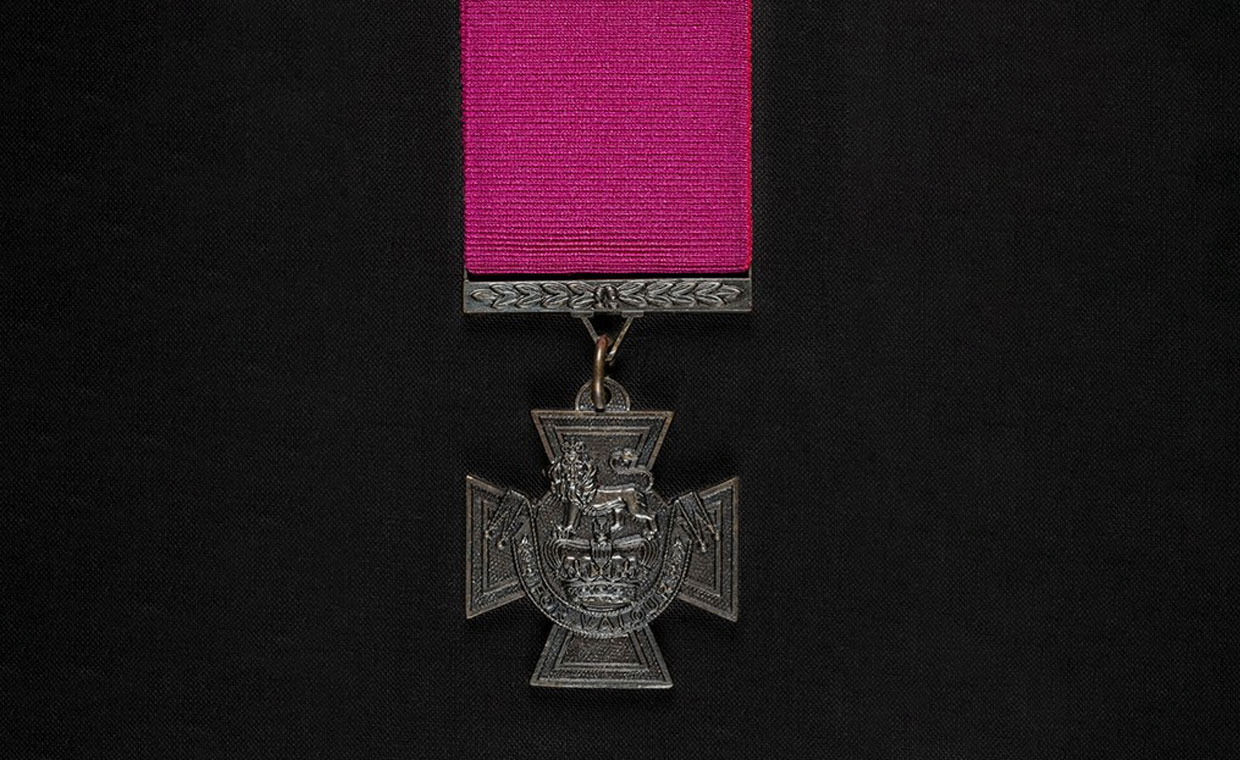
3805 – Valour Lost, part 3
“George Ravenhill joined the 1st Battalion of The Royal Scots Fusiliers when he was seventeen, in 1889. He spent six years in India before transferring to the 2nd Battalion in South Africa during the Second Boer War. There, at the battle of Colenso on December 15th, 1899, Ravenhill made several forays to assist the artillery…
-
3804 – Valour Lost, part 2
“Thomas Lane was born in Cork, County Cork, Ireland in May 1836. He enlisted with the 47th Regiment of Foot and served with them throughout the Crimean War (1854-1856). He then enlisted in the 67th Regiment of Foot. In 1860, Lane’s regiment was posted to China as part of an expedition for the closing stages…
-
3803 – Valour Lost, part 1
In this three part series we look at the eight recipients of the Victoria Cross who forfeited the award due to their later actions, as well as other recipients who fell on hard times, and with particular reference to the case of modern Victoria Cross for Australian recipient Ben-Roberts Smith, accused of murder and war…
-
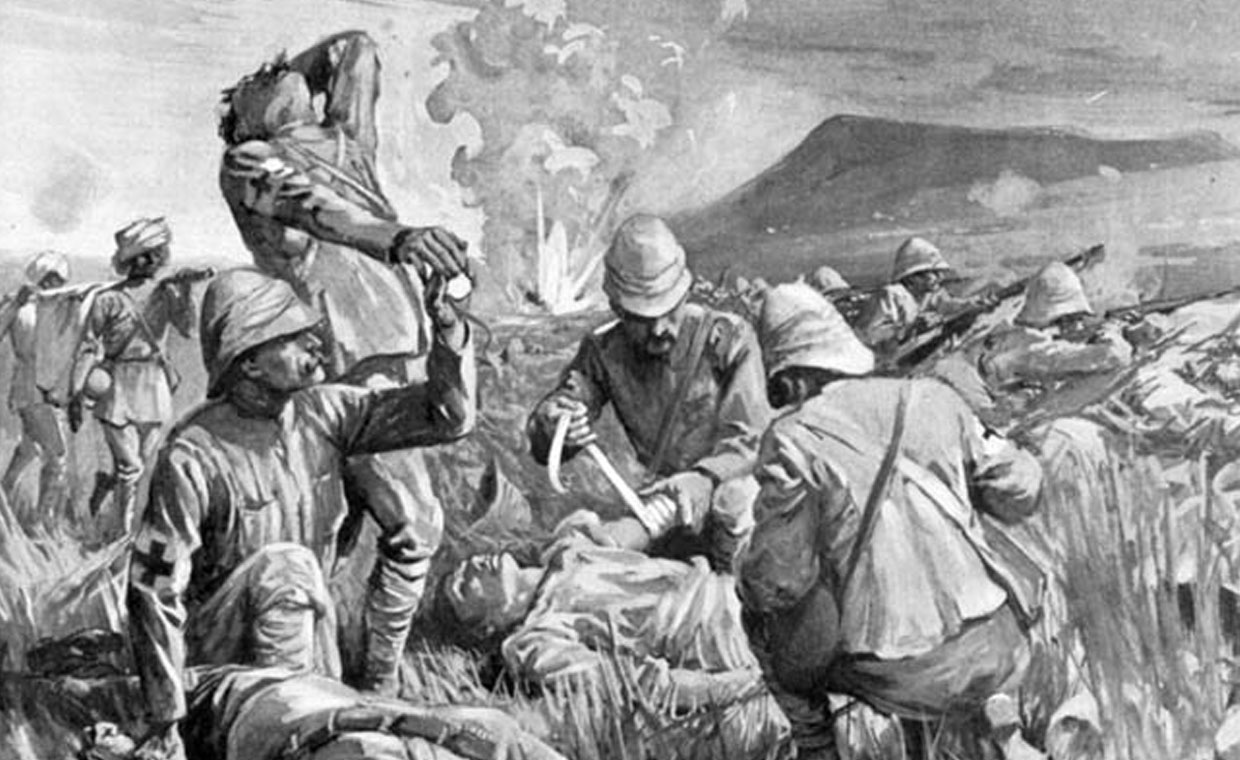
3802 – Colenso: Ireland’s Forgotten Sacrifice in the Boer War
“Yet another war believed to be over by Christmas. The Second Boer War was fought between the greatest empire the world had ever seen and a nation of farmers with a population fewer than that of Brighton, England. It took the might of the British Empire three years to subdue these farmers who were known…
-
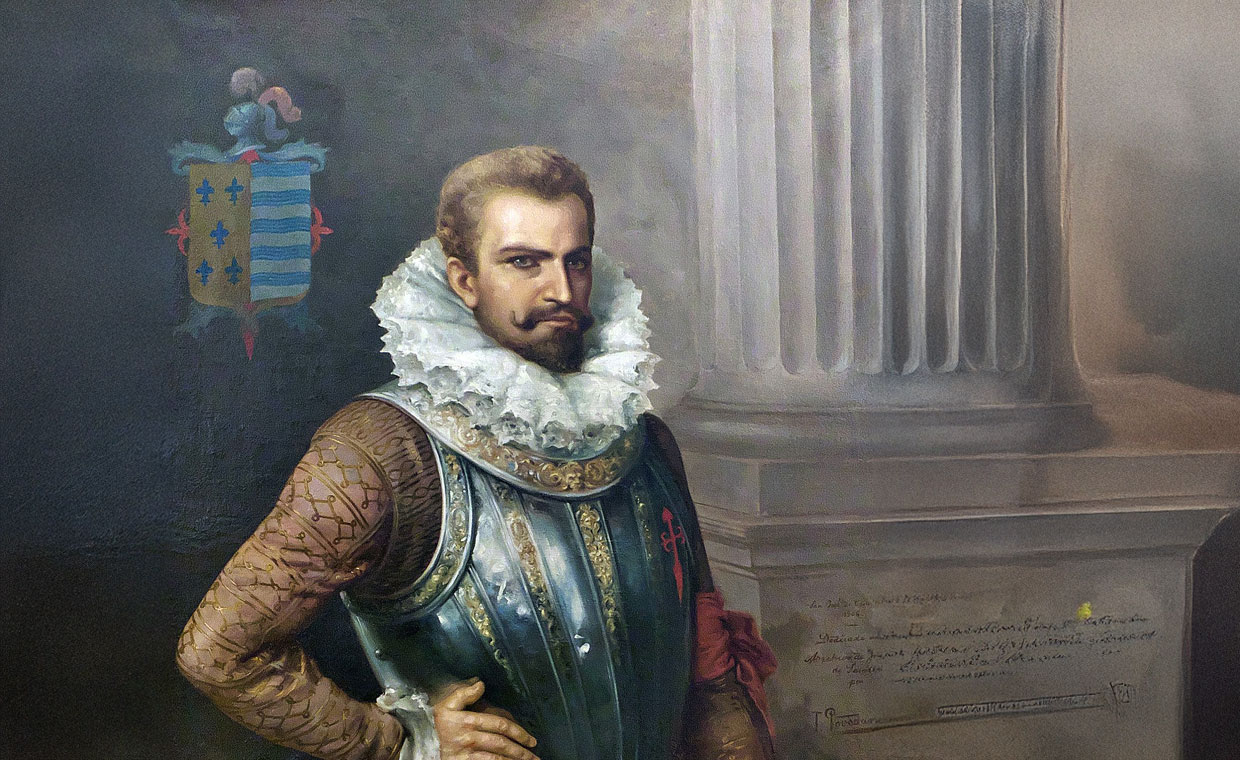
3801 – Alvarado’s Leap: Construction of a Legend
“Modern historical scholarship has little lenience for hyperbole, and any event that appears exaggerated is heavily scrutinised. The Spanish Conquest of Mexico provides ample folklore for historians to examine. One tale depicts renowned conquistador Pedro de Alvarado vaulting across a canal to escape certain doom. An episode since identified as the Salto de Alvarado (Alvarado’s…
-
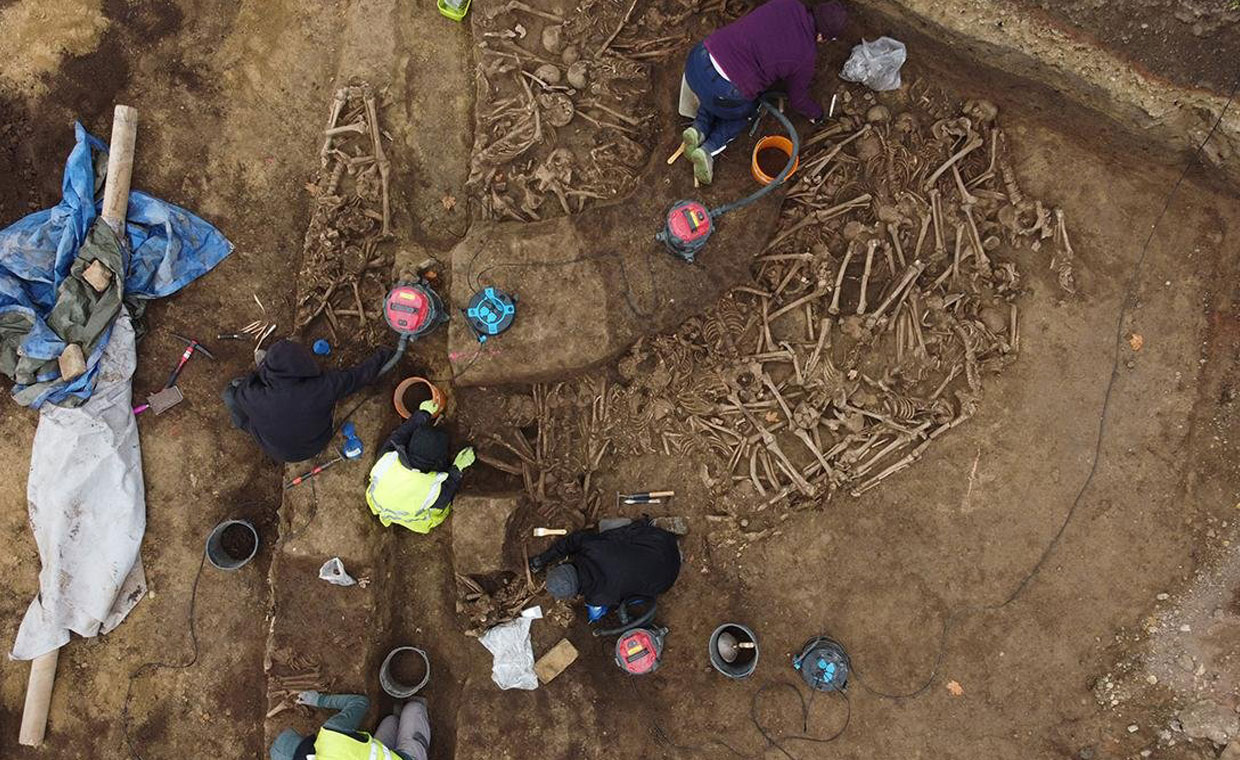
3710 – Soccer pitch invasion! Vienna’s battlefield and Carnuntum, AD 170
“In late October 2024, under a Vienna sports field (Ostbahn-XI-Platz) on the Danube in the Simmering district, a site of ancient mass burial was discovered. 129 bodies were discovered (intermixed bones may mean there were up to 150 bodies buried), all male, mostly between 20 and 30 years old, all roughly 1.7 metres tall, and…
-
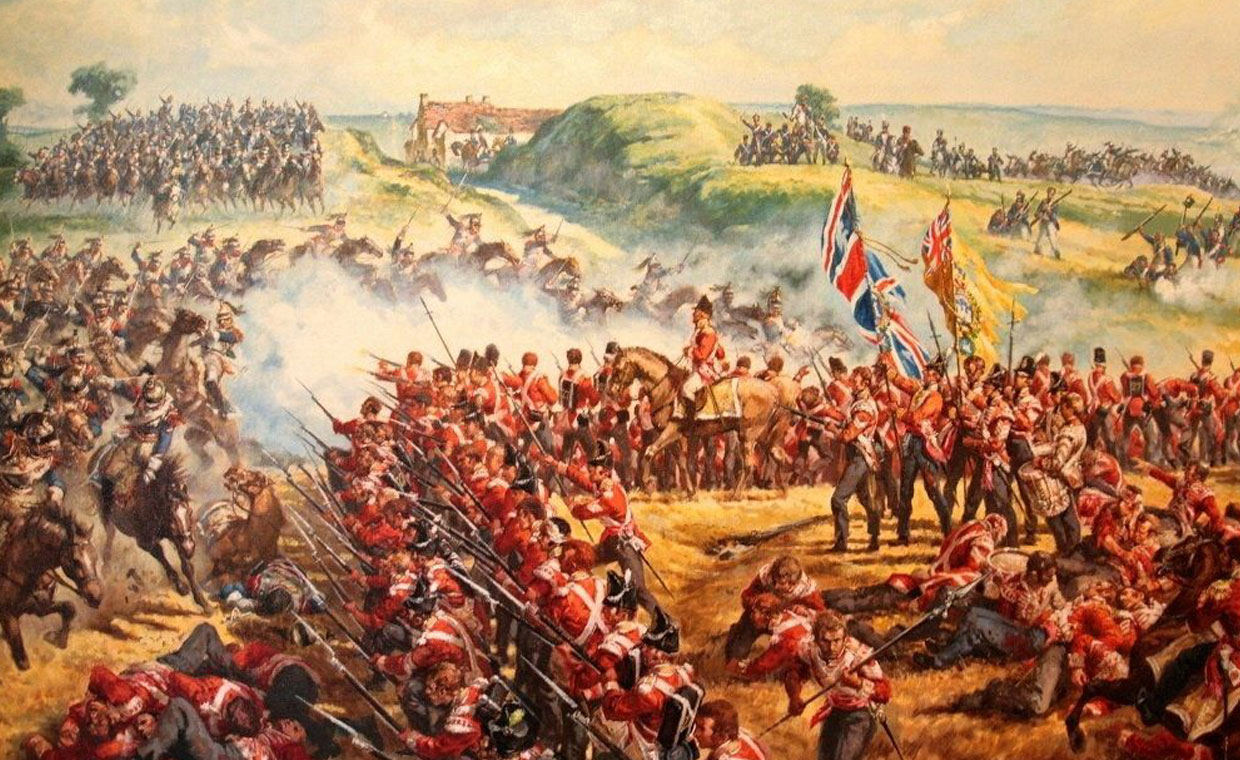
3709 – Waterloo and the Irishmen of the 27th (Part2)
‘The French infantry passed by the farm at La Haye Saint and advanced up to the ridge where Picton’s 5th Brigade were literally lying in wait. Dutch skirmishers retreated back to their parent regiments in Allied lines. The British troops of Picton’s 5th Brigade were stationed 100 yards behind the Dutch who were now trading…
-
3708 – Waterloo and the Irishmen of the 27th
‘On the 20th of March 1815, Europe was once again plunged into chaos as exiled Emperor of the French, Napoleon Bonaparte escaped his imprisonment from the island of Elba. Just 100 days after his escape, the armies of France, Prussia, Great Britain and The Netherlands fought Europe’s most famous battle, in Belgium, near a town…
-
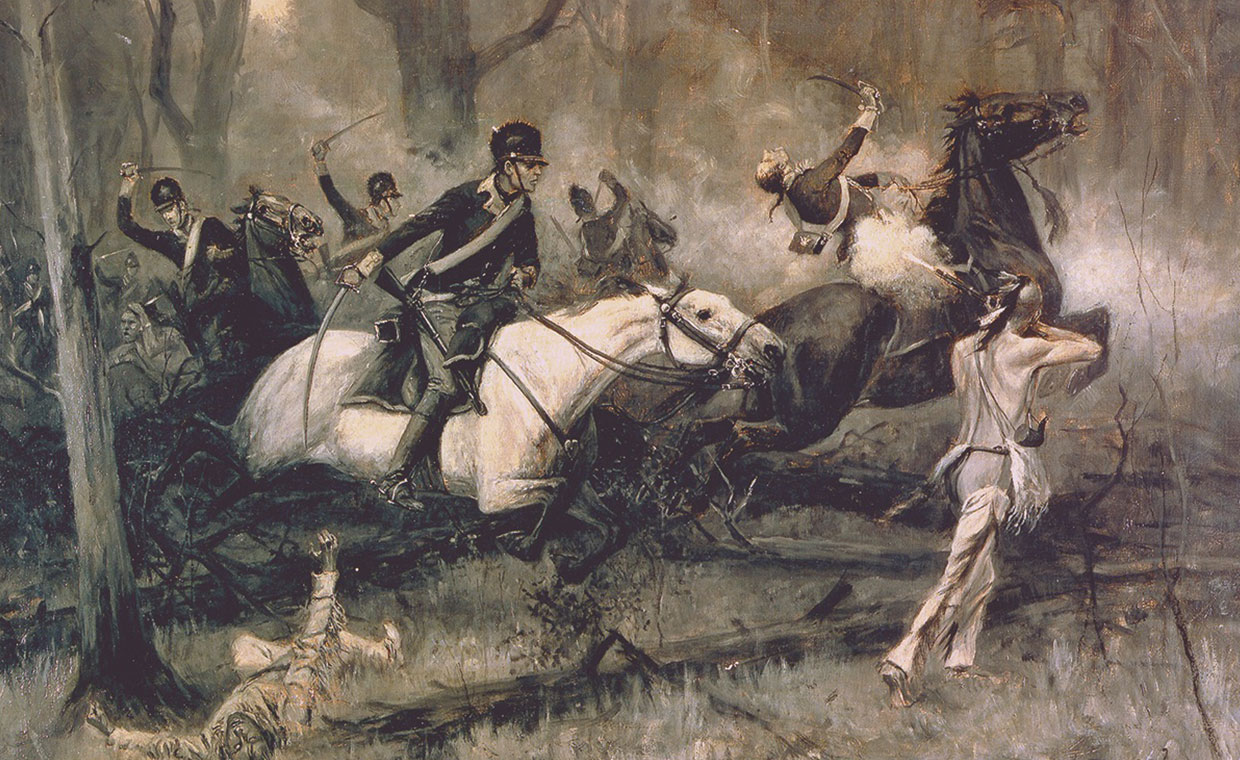
3707 – The Battle Of The Wabash
“American Indian Wars” in the modern perspective focuses mostly on the American West in the second half of the 19th century with cowboys, Custer and the cavalry, but the worst defeat of an American Army in the Indian Wars happened over eighty years earlier when George Washington was president. This episode was written by Doug…